Facial aging doesn’t happen all at once. It follows predictable patterns that affect skin, fat, muscle, and bone over time. Understanding how these changes occur can help explain why the face looks different with age and why certain concerns show up earlier than others.
Dr. Jonathan R. Grant, a double board-certified plastic surgeon known for natural-looking facial surgery results, brings a wealth of specialized expertise to cosmetic procedures that restore and rejuvenate.
When patients come in to discuss facial cosmetic surgery, they often find it helpful to learn about the process of facial aging before learning about the solutions. Instead of focusing on a single wrinkle or fold, it’s beneficial to look at facial aging as a gradual, layered process that affects the entire face.
Changes in Skin Quality and Texture
One of the earliest and most noticeable signs of aging appears in the skin itself. Over time, the production of important skin proteins, including collagen and elastin, slows.
This leads to skin that’s thinner, less firm, and slower to bounce back. Sun exposure, environmental factors, and genetics all influence how quickly these changes occur.
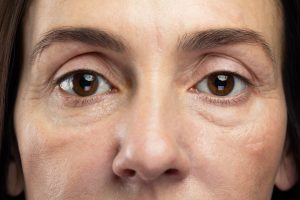
As skin loses strength and elasticity, fine lines become more visible, especially around the eyes and mouth. Pigment changes and uneven texture can also develop, making the skin appear dull or tired, even when the facial structure hasn’t changed much.
Volume Loss and Shifting Fat
Areas that once looked full and youthful, such as the cheeks or temples, may flatten or hollow.
Facial fat doesn’t just disappear with age; it also shifts. Fat can sink and collect in the lower face. This is what makes the face look squarer or heavier in the bottom half, even if the weight remains the same.
These shifts help explain why treatments focused solely on the skin often don’t fully address an aged appearance.
Effects of Muscle Activity
Facial muscles are constantly active. Years of repeated movement lead to dynamic lines that eventually become etched into the skin. This is often particularly noticeable in the forehead, between the eyebrows, and around the eyes.
Bone Loss
Over time, the underlying support structures also change. Bone resorption occurs gradually, particularly around the eyes, nose, and jaw, reducing the framework that once supported youthful contours.
Solutions For Facial Aging
When skin laxity, volume loss, muscle-related changes, and structural changes combine, sagging becomes more noticeable, and the face can appear much older than you may feel inside.
Dr. Grant offers attentive, customized care that addresses not only the surface-level changes but also the structural support beneath your skin. From medical-grade skin care and non-surgical options to advanced cosmetic surgeries like facelifts, we offer options to help you reclaim the more youthful face you had not so long ago.
If you’re noticing changes in facial shape, firmness, or balance and want expert guidance, schedule a visit in Mount Vernon. Call 360-336-1947 to book your consultation with Dr. Grant.